Comprehensive Roof Venting for Damp Mountain Climates
The picturesque terrain of the Blue Mountains presents a unique set of meteorological demands on residential and commercial structures. With cool, mist-laden winters, prolonged damp periods, and rapid microclimate fluctuations, property owners often battle invisible interior moisture threats. In damp elevated regions, high-performance building envelopes require more than just a durable outer covering; they necessitate comprehensive roof venting designed to balance temperature extremes and continually purge stagnant, moisture-heavy air.

The Critical Role of Customized Roof Ventilation in High-Elevation Zones
High relative humidity combined with thermal bridging creates an ideal environment for interstitial condensation within attic spaces. When warm, humid air generated inside living quarters migrates toward unconditioned roof cavities, it encounters cold underside roof sheathing. Without customized roof ventilation, this moisture condenses into liquid droplets, saturating timber rafters, degrading insulation R-values, and fostering pervasive mold colonies.
Implementing advanced ventilation techniques ensures that outdoor air moves continuously through the eaves, sweeps across the attic sub-deck, and exhausts seamlessly at the ridge. This balanced pressure cycle eliminates stagnant air pockets, providing passive humidity extraction in winter and vital attic heat reduction during the sun-drenched mountain summers.
Key Components of a Robust Mountain Venting System
Achieving effective air balance requires precision design. Improperly sized or poorly positioned exhaust mechanisms can create negative pressure dynamics, drawing conditioned air out of the home or pulling moisture-laden mist directly into the roof cavity. Whether undergoing new attic ventilation installation or scheduling targeted attic ventilation repair, property owners should focus on a multi-point passive airflow layout:
- Continuous Intake Soffits: Low-profile eaves vents that permit a steady influx of cool exterior air regardless of wind direction.
- Baffled Ridge Exhaust Vents: Weather-resistant caps along the peak that utilize the natural stack effect to extract rising damp air without allowing wind-driven rain penetration.
- Auxiliary Powered or Solar Extractors: Dynamic options suited for complex roof geometries requiring enhanced attic cooling methods during hot summer afternoons.
- Internal Air Deflectors: Purpose-built baffles that prevent insulation displacement from blocking airflow paths along structural trusses.
Integrating Ventilation with Complete Roofing and Moisture Management
A high-performance ventilation system does not operate in isolation. In the damp microclimates of the Blue Mountains, roof venting must work synchronously with overall building envelope defenses. Properties requiring advanced roof repair or a complete roof installation benefit immensely when airflow systems are mapped concurrently with modern underlayment barriers and roof pitch considerations.

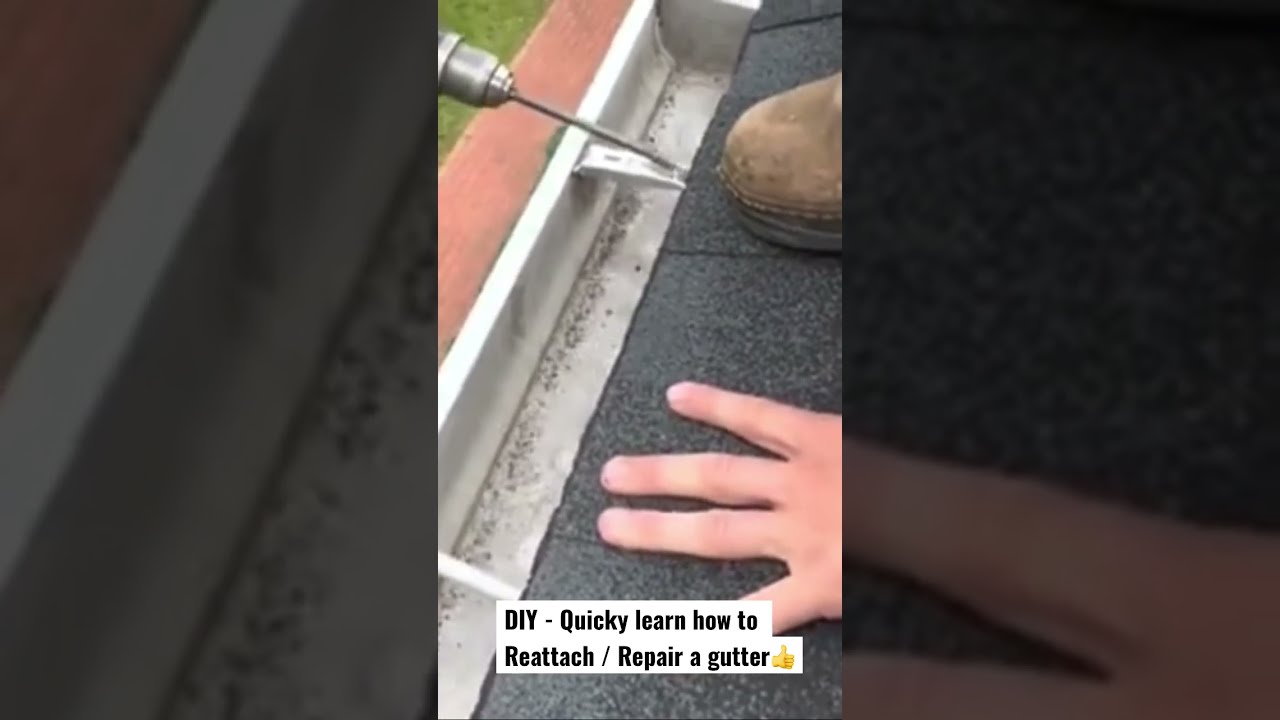
Furthermore, exterior moisture control extends beyond the roofline. Saturated walls and blocked drainage systems https://andersonsqte484.hexaforgey.com/posts/preserving-charm-brick-facade-repair-for-mountain-cottages contribute heavily to surrounding ambient humidity. Coordinating roof upgrades alongside damaged gutter repair and advanced gutter solutions guarantees that torrential mountain runoff is directed safely away from foundations. When moisture is successfully channeled off the roof plane, supplementary property defenses such as brick wall weatherproofing and brick durability enhancement remain far more resilient against cold-season freeze-thaw cycles and damp degradation.
Recognizing the Indicators of Venting Failure
Routine inspections are essential for early detection of trapped moisture before structural framing suffers irreversible decay. Structural shifts, bird nesting, or debris build-up can quickly throttle attic air movement, making timely comprehensive roof maintenance imperative for mountain dwellings.
- Rafter Discoloration: Dark streaks or frost lines along structural timbers signify prolonged moisture accumulation.
- Premature Shingle Deterioration: Inadequate airflow overheats roof materials from underneath, accelerating granule loss and blistering.
- Persistent Musty Odors: Stagnant air lingering on upper floors often traces back to saturated, unvented roof insulation.
- Erratic Upper-Floor Temperatures: Drastic heat traps during peak daylight indicate insufficient ridge or gable exhaust capability.
Securing Long-Term Performance with Certified Expertise
Modern building standards emphasize energy efficiency, structural preservation, and sustainable design. Relying on certified roof repair specialists ensures that airflow calculations align with the specific cubic volume and roof pitch of your property. By investing in tailored, comprehensive roofing services designed specifically for damp mountain environments, homeowners in the Blue Mountains protect their structural integrity, elevate indoor air quality, and secure durable comfort for years to come.
Top Roofer Blue Mountains
Old Bathurst Rd, Blaxland NSW 2774, Australia
(02) 4703 9006